A Japanese head spa is a multi-step scalp treatment that combines deep cleansing, therapeutic massage, steam therapy and nourishing products to improve scalp health, support hair quality and calm the nervous system. Originating in Japan, where scalp care is considered essential to overall wellbeing, it is designed as a slow, sensory ritual, not a quick salon wash. Sessions typically last 60 to 140 minutes and take place in a calm, quiet sensory room.
Unlike a standard scalp massage, a Japanese head spa follows a structured sequence: consultation and scalp assessment, targeted massage of the head, neck and shoulders, deep exfoliation and cleansing, steam or warm water therapy, and nourishing treatment application. Each step serves a distinct purpose, from removing product build-up to activating the parasympathetic nervous system, the branch of your nervous system responsible for rest and recovery.
Where Did Japanese Head Spas Come From?
The modern head spa emerged in Japan in the late 1990s and early 2000s, when Japanese hairstylists began combining traditional scalp care practices with shampoo bed technology to create a service that addressed both beauty and deep relaxation. The practice drew on traditional Japanese approaches to wellbeing, including shiatsu, a pressure-point massage technique traditionally used to release tension and restore balance.
By the 2010s, specialised head spa services had become standard offerings in high-end Japanese salons. The treatment gained international recognition in the 2020s, driven largely by social media, and is now offered in wellness centres across Australia, the United States, Europe and Asia. Interest has grown rapidly in recent years, making it one of the fastest-growing wellness treatments in the world.
What Happens During a Japanese Head Spa?
While each studio approaches the ritual slightly differently, most Japanese head spa treatments follow a similar sequence:
1. Consultation and scalp assessment. Your therapist examines your scalp condition (dryness, oiliness, sensitivity or build-up) and customises product selection and pressure to suit you. Some studios use microscope analysis; others rely on visual and tactile assessment.
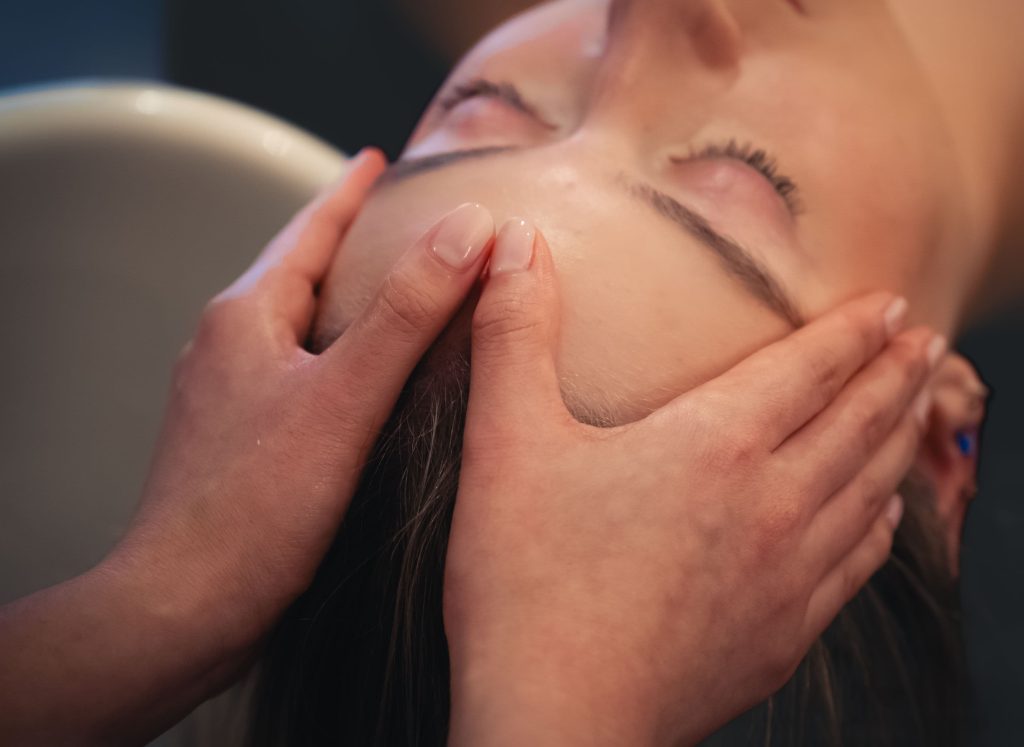
2. Head, neck and shoulder massage. This is where most of the tension release happens. Slow, deliberate pressure is applied across the scalp, temples, jaw, neck and shoulders using techniques drawn from shiatsu and acupressure. The goal is to improve blood circulation to the scalp, release muscular tension and begin the nervous system downshift that distinguishes a head spa from a regular massage.
3. Deep cleansing and exfoliation. A specialised shampoo or scalp scrub is used to gently remove dead skin cells, product residue and excess oil from the scalp. This clears build-up around the follicles and creates a clean base for nourishing products to absorb effectively.
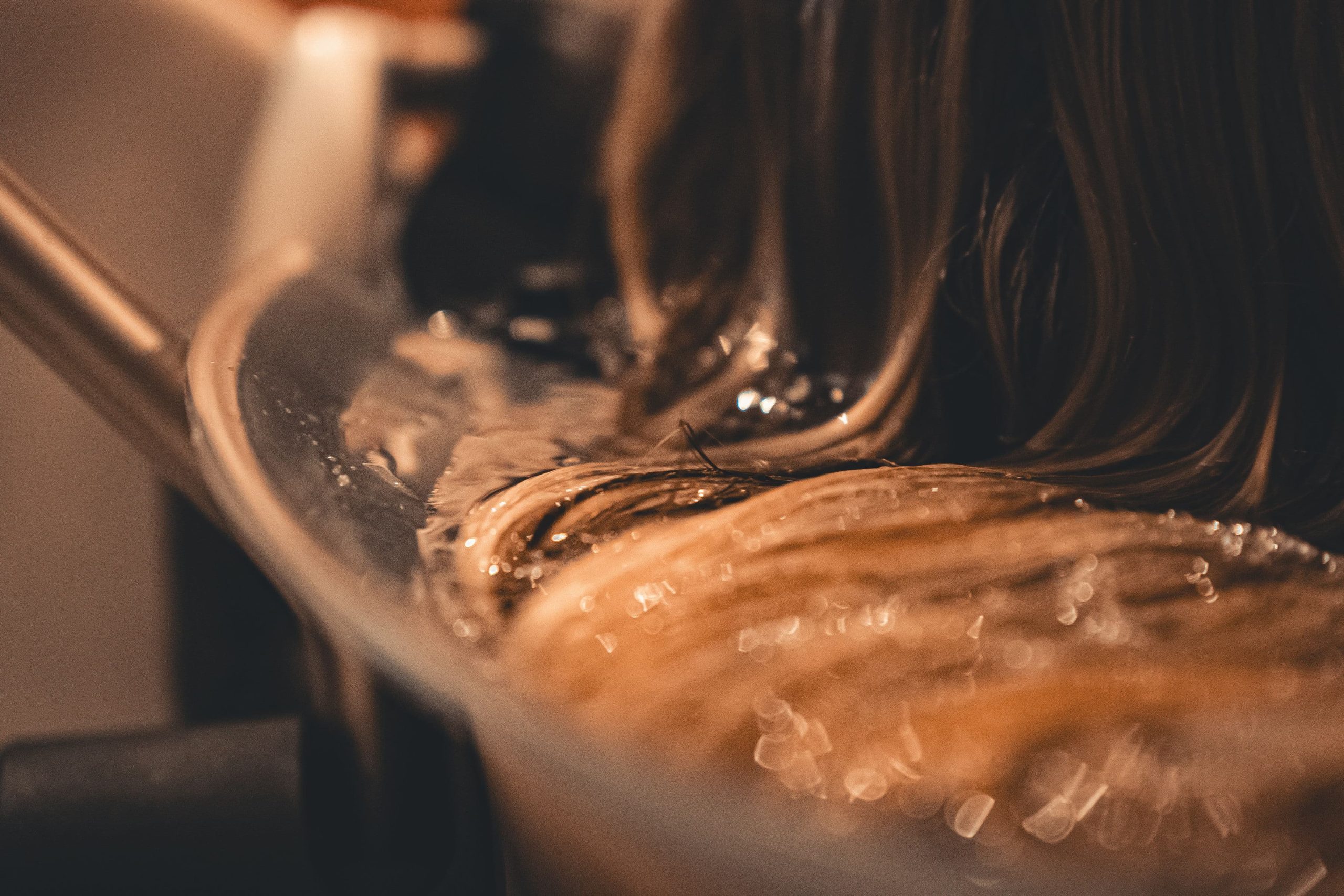
4. Steam therapy or warm water bath. Steam softens the skin of the scalp, helping treatment products to absorb more deeply. Many Japanese head spas use a dedicated head bath (sometimes called a Yume bath) that combines warm water with a fine mist for a deeply soothing experience.
5. Treatment mask or toner application. A hydrating, nourishing or detoxifying treatment is applied to the scalp and hair, chosen based on the initial assessment. Common ingredients include botanical oils, herbal infusions and organic serums.
6. Final rinse, dry and aftercare. Your hair is gently rinsed and dried. Your therapist may apply a finishing toner or leave-in treatment and provide personalised aftercare advice to extend the benefits at home.
The entire process is designed to be unhurried. Most guests describe feeling profoundly calm, and many fall asleep during the treatment.
What Are the Benefits of a Japanese Head Spa?
Japanese head spas offer a combination of physical scalp care and nervous system calm that you won’t get from a standard massage or salon visit. The key benefits include:
Stress and tension relief. Research on scalp massage has linked it to lower levels of cortisol and norepinephrine, two of the body’s main stress hormones, and to lower blood pressure. The head, jaw and neck are among the most common places people hold tension, and slow, targeted massage there often brings relief you can feel straight away.
Improved scalp health. Deep cleansing removes the build-up of dead skin, oil and styling products that can clog follicles and create an unhealthy scalp environment. Regular treatments help maintain a balanced, hydrated scalp, the foundation of healthy-looking hair.
Support for hair quality. A small 2016 study published in ePlasty by researchers at Nippon Medical School in Tokyo found that daily standardised scalp massage over 24 weeks increased hair thickness in a group of healthy men. The researchers linked this to stretching forces on dermal papilla cells, the cells at the base of each hair follicle that regulate growth. A head spa is not a hair loss treatment, but a clean, well-cared-for scalp is the best starting point for healthy hair.
Better sleep. Many head spa guests report sleeping better in the days following treatment. This is likely connected to the deep relaxation of the session, which helps the body transition into a deeper state of rest.
Mental clarity and emotional reset. The combination of a sensory environment (dim lighting, calming scent, quiet) with sustained scalp pressure creates a genuine nervous system downshift. Guests frequently describe the post-treatment feeling as lighter, clearer and more grounded. We look at what is happening in your brain and body in What a Japanese Head Spa Really Does to Your Face, Brain and Body.
How Is a Head Spa Different From a Scalp Massage?
A scalp massage focuses solely on manual manipulation of the scalp: rubbing, kneading and applying pressure. It can be done dry or with oil, and typically lasts 10 to 30 minutes.
A Japanese head spa is a complete treatment protocol. It includes the massage component, but also incorporates deep cleansing, exfoliation, steam therapy, customised product application, and often extends to the neck, shoulders and sometimes face. It is performed in a purpose-built treatment space rather than a salon chair. The session length (typically 60 to 140 minutes) and the structured ritual format make it a fundamentally different experience, closer to a therapeutic treatment than a simple massage service.
Who Is a Japanese Head Spa For?
Head spas are suitable for nearly everyone, regardless of hair type, length or gender. Specific groups who benefit most include:
People carrying stress and tension: particularly in the head, jaw, neck and shoulders. If you clench your jaw, get tension headaches or feel mentally overloaded, a head spa targets exactly where that tension accumulates.
Anyone with scalp concerns: dryness, oiliness, sensitivity, flaking or build-up from styling products. Scalp detox treatments within the head spa framework address these directly.
Men: head spas are increasingly popular with men seeking stress relief, better scalp hygiene and a healthier scalp. Many studios offer dedicated men’s treatments, such as La Vela’s Gentleman’s Ritual.
Pregnant and postpartum women: gentle, modified head spa treatments can provide meaningful stress relief during pregnancy. Many studios, including La Vela with its Bloom Ritual, recommend them up to 20 weeks, because head spa beds require you to lie flat. Always check with your healthcare provider and let your therapist know before booking.
People with thinning hair: while a head spa is not a medical treatment for hair loss, the scalp massage, follicle cleansing and stress reduction may support a healthier environment for hair when combined with appropriate medical advice.
People with little or no hair: the treatment is still valuable. The focus simply shifts to an extended scalp, neck and shoulder massage with nourishing scalp oil work.
How to Choose a Quality Head Spa
Not all head spas are the same. When choosing where to book, look for:
A purpose-built sensory environment: the space matters as much as the technique. The best head spas are designed to settle your nervous system from the moment you walk in. Look for studios with dedicated sensory rooms: thoughtful interior finishes like Venetian plaster or microcement, considered speaker placement for immersive soundscapes, layered lighting, and aromatherapy integrated into the room itself. Every sense should be accounted for. A rushed treatment in a partitioned salon corner won’t produce the same deep calm as a room purpose-built for it.
A dedicated head spa bed, not a retrofit: this is one of the clearest signals of quality. The best head spas use purpose-built head spa beds (such as the Japanese Yume bed) with integrated water fountain systems designed specifically for the treatment. Lower-quality operations often bolt a shampoo sink onto a standard massage table. If the bed wasn’t designed for a head spa, the treatment will feel compromised. The water angle, neck support and overall comfort are fundamentally different.
Organic or high-quality products: your scalp absorbs what’s applied to it. Studios that use natural, organic or biodynamic products are prioritising your scalp health, not just the appearance of your hair.
Elite Therapists with a structured approach: a quality head spa follows a clear protocol, not a freestyle approach. The therapist should begin with a consultation and tailor pressure, products and focus areas to your needs.
Consistency: the best studios maintain high standards across every therapist and every session, not just on a good day.
Time: be cautious of head spa services under 60 minutes. The full benefit of a Japanese head spa comes from the slow, multi-step ritual. Rushing it defeats the purpose.
How Often Should You Get a Head Spa?
As a general guide, most people benefit from a head spa every four to twelve weeks, depending on their goals. For stress management, monthly sessions tend to produce the most noticeable ongoing benefits. For scalp health maintenance, every six to twelve weeks is a reasonable cadence. Your therapist can make a personalised recommendation based on your scalp condition, lifestyle and wellness goals during your first consultation.
La Vela Head Spa offers luxury Japanese head spa rituals at two locations: Brisbane (Ashgrove) and Gold Coast (Palm Beach). All treatments use 100% organic products and are performed on dedicated Yume head spa beds in purpose-built sensory rooms, with Venetian plaster, immersive soundscapes and aromatherapy. New guests can start with the 70-minute Exhale Ritual, our introduction to Japanese head spa, or the 90-minute Renewal Ritual, our most popular. View all treatments or book online.